



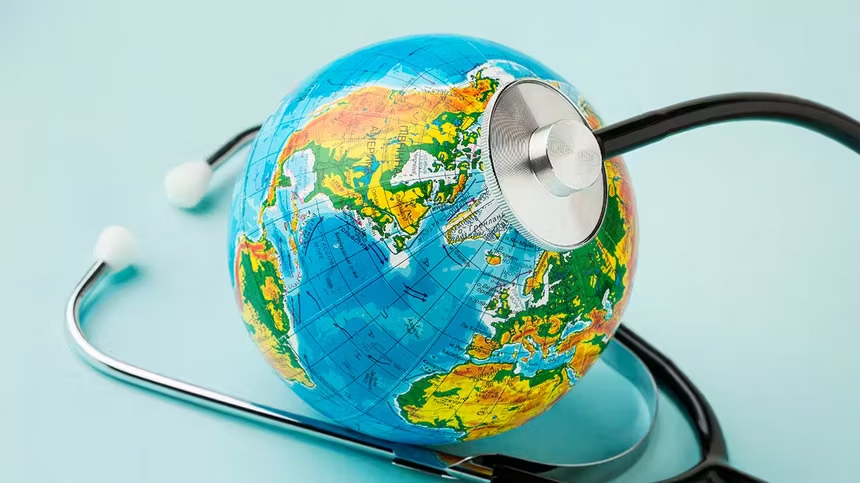
- Climate change is a growing public health concern, increasing the risks of heat-related illnesses, air pollution exposure, waterborne diseases, and disrupted healthcare services.
- Extreme weather, rising temperatures, and deteriorating environmental conditions can affect people’s health, and food and water security, with vulnerable communities facing greater risks.
- Building climate resilience requires action from governments, healthcare systems and businesses. QNET and RYTHM Foundation contribute through reforestation, community development, advocating sustainable practices, and disaster relief initiatives.
Talk of climate change tends to focus on its environmental impacts: rising temperatures, deforestation, melting ice caps and other extreme weather events. It’s also discussed in terms of its impact on ecosystems, infrastructure and economies.
But climate-related events can also directly affect people’s health and wellbeing, from the air we breathe, the water we drink and the food we consume to our ability to access healthcare. The World Health Organization (WHO) has described the climate crisis as a health crisis and warned about the risk of hundreds of thousands of additional deaths annually between 2030 and 2050 if the problem isn’t adequately addressed.
As climate-related health risks continue to grow, building climate resilience is becoming increasingly important. This means looking beyond environmental protection to consider how individuals, communities, and healthcare systems can prepare for and adapt to these challenges.
What are the Health Impacts of Climate Change?
Climate change affects human health in several ways, often with consequences that extend beyond the immediate effects of extreme weather. From increasing the risk of illness to disrupting essential services, its impacts can be seen across different aspects of everyday life.
Extreme Heat and the Risks of Heat-Related Illnesses
According to a recent study, the Earth is heating up faster than at any point in history. In fact, the World Meteorological Organization (WMO) reports that global temperatures from January to September 2026 were roughly 1.47°C above the 1850-1900 pre-industrial average.
This not only means heatwaves are becoming more intense; it also suggests they are becoming more frequent, last longer, and pose serious risks to millions.
Yes, at the most basic level, extreme heat is merely uncomfortable. However, prolonged exposure can affect the body in several more serious ways and be especially dangerous to vulnerable groups, like the elderly, infants and young children, and even outdoor workers.
These include:
- Dehydration, heat exhaustion and heat stroke
- Cardiovascular complications, e.g., heart attack and stroke
- Worsening of existing respiratory conditions, e.g., asthma and chronic obstructive pulmonary disease (COPD)
- Neurological effects, e.g., migraine, dizziness and seizures
- Heat-related death
Additionally, a warmer climate can create a more favourable environment for infectious disease-carrying pests (e.g., mosquitoes that spread dengue fever, malaria, and Zika) and for the growth of certain bacteria.
Deteriorating Air Quality and Increased Exposure to Pollutants
Climate change can also worsen the air we breathe.
For instance, in urban centres, rising temperatures can accelerate the chemical reactions between contaminants in the atmosphere, contributing to the formation of ground-level ozone. It can also prolong pollen seasons and increase the risk of wildfires, which release smoke and harmful particulates into the air.
Importantly, exposure to these pollutants can have several adverse health effects, such as:
- Respiratory problems, including asthma and chronic obstructive pulmonary disease (COPD)
- Cardiovascular complications
- Metabolic consequences, including increased insulin resistance
- Pregnancy and birth complications, including stillbirth
The outcomes are not always physical, too, with research linking prolonged air pollution exposure to higher risks of depression and anxiety as well as dementia.
Contaminated Water, Poor Sanitation, and the Spread of Disease
Extreme storms and riverine or coastal flooding are another consequence of climate change. However, while the immediate dangers of floods are obvious, many of their health impacts are invisible, delayed or hidden.
Essentially, as the atmosphere warms, more moisture is held in the air. This intensifies the water cycle, contributing to heavier rainfall in many parts of the world and more frequent storms and floods that expose communities to a host of health-related concerns.
These can include:
- Contaminated water sources from floodwaters carrying sewage, human and animal waste, chemicals and other pollutants, leading to waterborne diseases, e.g., cholera and typhoid
- Standing water, creating ideal breeding grounds for vector-borne diseases, e.g., malaria and dengue
- Damp conditions that encourage mould growth and contribute to respiratory problems
- Damage to crops and agricultural land, threatening food supplies
Importantly, the risks don’t end when floodwaters recede, as contaminated water sources, damaged sanitation systems, and disrupted food supplies can continue to affect people long after the immediate emergencies have passed.
Disrupted Healthcare Services and Strained Medical Facilities
Another often overlooked consequence of climate change is the pressure it places on healthcare systems and people’s ability to access medical care.
Rising temperatures, poor air quality and unpredictable weather can increase emergency department visits and hospitalisations, thereby placing additional strain on medical facilities.
There is also physical damage to hospitals and clinics, as well as roads and transport networks, which can prevent patients from reaching healthcare facilities, make it harder to obtain medication and disrupt medical services.
As noted, elderly individuals, pregnant women, young children, and people with existing conditions are often the first to feel the strain. But doctors, nurses and medical support staff can also be affected by both physical illness and severe psychological burnout.
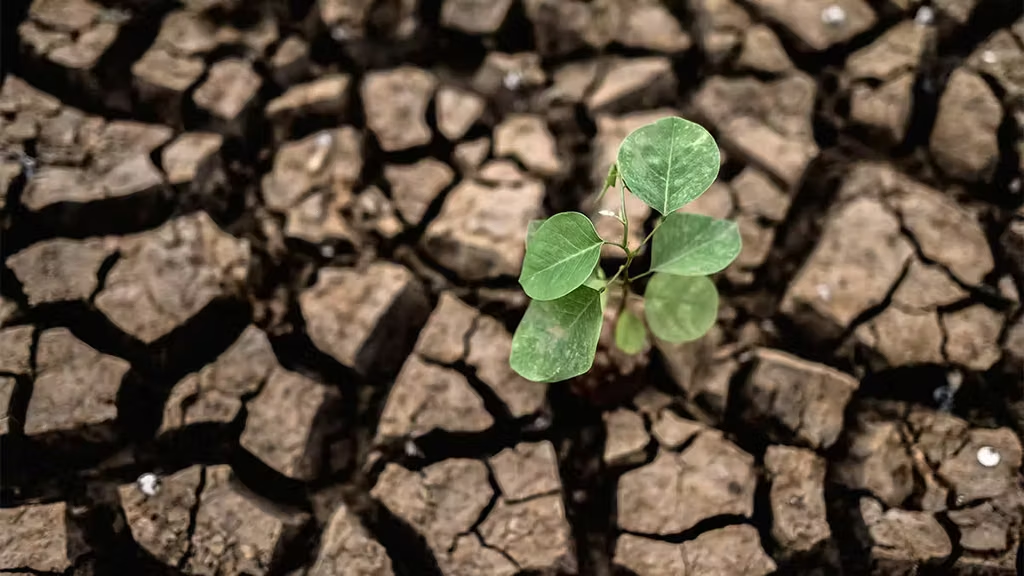
These challenges highlight the need for more than emergency responses when climate-related events occur. Protecting public health also requires long-term planning and preparation to help communities anticipate, withstand and recover from climate-related disruptions. This is where climate resilience comes in.
What is Climate Resilience?
Climate resilience is the ability of individuals, communities, businesses and systems to prepare for, adapt to and recover from the effects of climate change. In public health, this means taking steps to protect people from climate-related risks, maintain access to essential services such as clean water and healthcare, and reduce vulnerabilities to future environmental disruptions. Ultimately, it means helping communities withstand climate-related challenges while safeguarding people’s health and well-being.
Why Building Climate Resilience Matters

Climate resilience is about much more than protecting the environment. It also means safeguarding the conditions that allow people to stay healthy.
This is why governments and public health organisations worldwide are taking practical steps to address the climate crisis. This includes making healthcare facilities more resilient to extreme weather events, protecting drinking water supplies and sanitation infrastructure, and improving disaster early warning systems.
But businesses also have a role to play.
For instance, QNET, which has long prioritised sustainable practices, has initiated various efforts to help communities become more resilient. One example is the Green Legacy reforestation initiative, which saw over 20,000 trees planted across Africa, the Middle East, and Asia.
The company has also led and supported various environmental and community projects through its social impact arm, RYTHM Foundation. These include efforts to create growth opportunities for young women in drought-prone regions in India, bring solar energy to remote communities in the Himalayas, and coordinate on-the-ground disaster relief and public health efforts in Turkey, Malaysia, and Nepal.
Ultimately, building climate resilience is investing in the future. And that doesn’t only mean protecting the environment for the next generation — it also means safeguarding the health and well-being of people living today.