


Ever wondered why some people complain of constant tiredness and recurrent illnesses, while others appear to have endless energy and quickly bounce back from sickness? The answer could be related to the body’s glutathione levels.
Often called the “master antioxidant”, glutathione is naturally produced by our bodies and plays a role in a range of health functions, from boosting immunity to protecting cells and organs.
The problem is that glutathione production or synthesis is affected by factors like age, poor diet, lack of sleep, and environmental stressors. Thankfully, we can make more glutathione.
But how exactly does that happen? Let’s look at what the science says.
The Science of Supporting Glutathione Production
Glutathione is made from three amino acids — glutamate, glycine, and cysteine. And among these, cysteine is the most important because without enough of it, the body can’t synthesise glutathione.
Cysteine is a sulfur-containing amino acid and is particularly concentrated in organs with high metabolic activity, such as the kidneys, liver and lungs. The thing is, various factors — including cysteine’s instability and the body’s high demand for it — can limit its availability.

This is why scientists have spent years developing ways to help the body get more cysteine and thereby boost glutathione production. Generally, these approaches can be lumped into two main strategies: targeted cysteine delivery and balanced amino acid synergy.
Targeted Cysteine Delivery: Direct but Limited
Imagine your body like a chef preparing a gourmet meal with one of the main ingredients in short supply. Now, think of the targeted cysteine delivery approach as getting that ingredient — in this case, cysteine — specially delivered so the whole dish can come together.
Among the ways scientists initially developed to boost cysteine availability was by giving the body oral glutathione. However, this method proved largely ineffective as glutathione is broken down in the digestive tract before it can be absorbed.
Meanwhile, other methods — including using N-acetylcysteine, a stabilised form of cysteine, and D-ribose-L-cysteine (also called RiboCeine® or ribose-cysteine), which combines cysteine with a simple sugar called D-ribose that helps protect the fragile cysteine molecule as it travels through the body — proved more effective than oral glutathione.
Various studies have shown the effectiveness of these approaches in raising glutathione levels and providing a wide range of benefits. These include improved kidney function, reduced inflammation and fat accumulation, and better metabolic activity.
Even so, one limitation with targeted cysteine delivery is that while it’s focused solely on delivering cysteine, healthy glutathione levels depend on a balanced mix of amino acids working together, along with a cofactor like selenium. That’s where the other approach — amino acid synergy — comes in.
Amino Acid Synergy: A Balanced Approach
To revisit the earlier cooking analogy, amino acid synergy involves not just delivering the main ingredient (cysteine) but also ensuring that the other key components (glycine and glutamate) are delivered.
Yes, cysteine is crucial for glutathione production. But it doesn’t work on its own. Indeed, research indicates that when one of the important amino acids is limited, glutathione production reduces, regardless of whether the other building blocks are present.
For instance, studies involving older adults found that supplementing with both glycine and cysteine not only improved glutathione levels but also increased metabolism and reduced oxidative stress. This suggests that providing the body with all the pieces of the jigsaw simultaneously helps the entire glutathione production process run more smoothly, especially when nutrient levels fall, in times of stress, illness and as we age.
It also explains why new health formulations tend to favour the amino acid synergy to support the body’s natural responses.
The EDG3 Plus Advantage
EDG3 Plus by QNET builds on the amino acid synergy approach by delivering all the components plus the cofactor needed for glutathione production in a delicious beverage that’s best consumed before meals. It also takes the science one step further by providing the body with glutamate, glycine, cystine, and selenomethionine.
That’s right. Cystine, not cysteine.
What is the difference between cysteine and cystine?
Cystine is formed when two cysteine molecules join together, resulting in a more stable form of the amino acid. This stability prevents it from being destroyed during digestion, allowing it to travel through the body and reach cells safely. Once inside cells, though, the molecules split, ensuring that they’re ready to be used for glutathione synthesis.
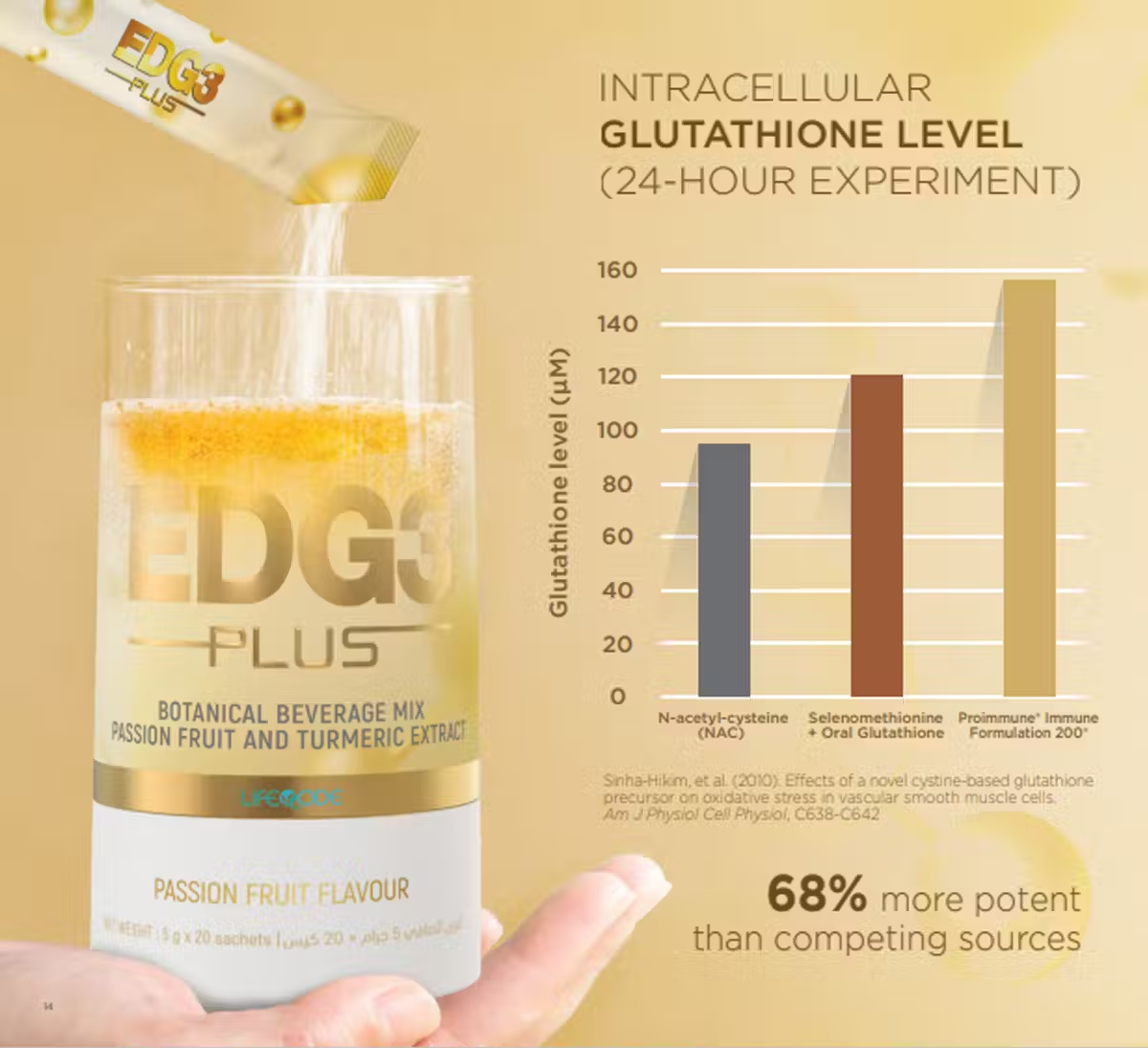
And what makes EDG3 Plus extra special is that it’s further enhanced with Turmacin®, a water-soluble turmeric extract that is known for its anti-inflammatory and antioxidant properties, and Vitamin D3, a more active form of Vitamin D, which supports the immune system and enables more calcium absorption.
Together, these ingredients don’t just boost glutathione production but also nourish the body holistically.
Backed by Science, Made for Daily Living
Sure, life can take a toll. Long hours, stress, poor or irregular meals, lack of sleep, and pollution can gradually weaken our natural defences and cause the body’s natural glutathione levels to dip.

EDG3 Plus, however, is built to counter this. With a solid scientific foundation, its amino acid synergy approach is about more than quick fixes. It’s about supporting the body’s long-term ability to produce glutathione naturally, thus ensuring protection, nourishment and strength from within.